
 Sign Out

4WD CAMPERS SALE ON NOW!
Best Priced Campervan, 4WD, Motorhome and Car Rentals. Hit the Road Today, Mate!
Ready For A Road Trip?
Campervan, Motorhome and 4WD Hire at Competitive Prices in Oz
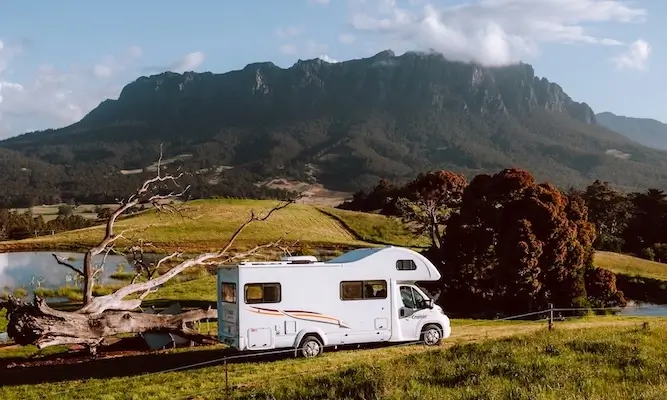
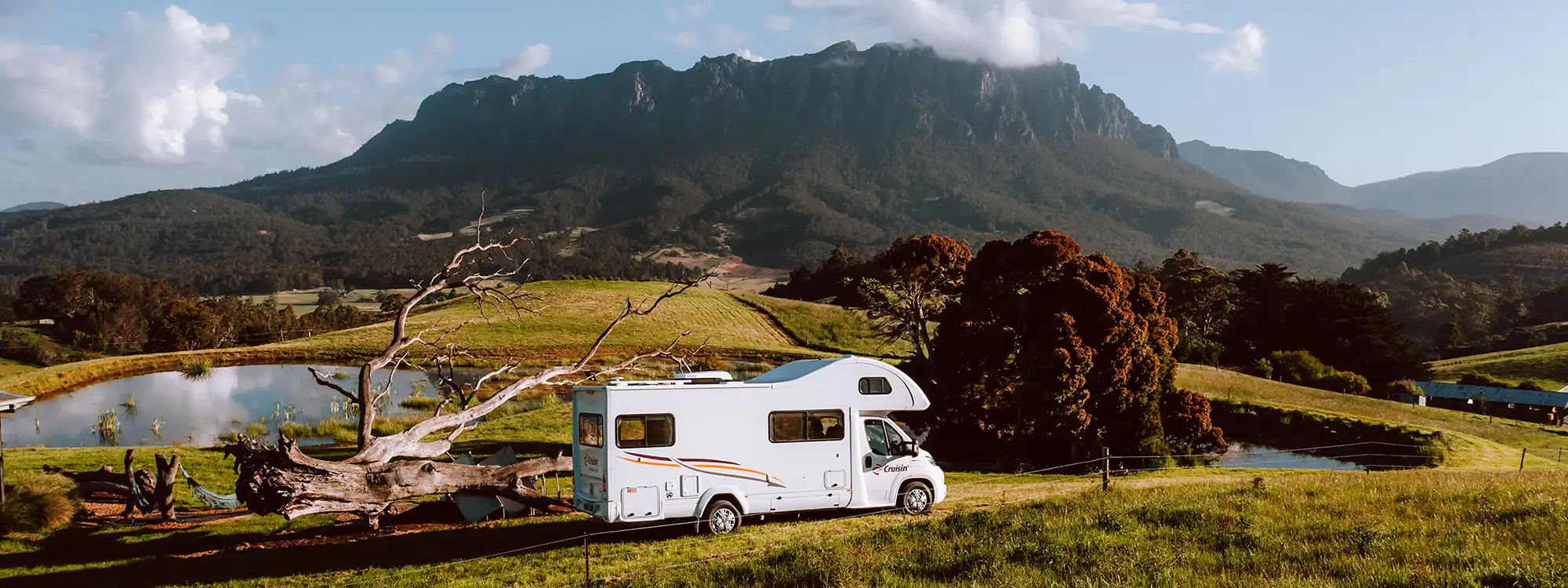
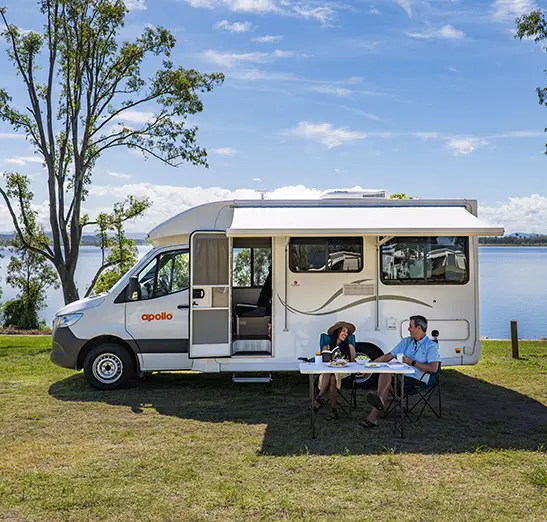
Strap in for the adventure of a lifetime with Aussie Campervans’ huge selection of campervan hire, motorhome hire, and 4WD campers. There’s something to suit every traveller’s needs—whether you're an Australian local or an international visitor from New Zealand, Europe, or beyond. We always promise the best rates on our self-drive holidays, and we have vehicles for all budgets. From backpackers to families, start the ignition on an Australian campervan trip that you’ll never forget.
Why Choose Aussie Campervans for Your Next Road Trip Adventure?
 No Hidden Fees and Transparent Cancellation Policy - Find the cancellation policy right on your quote, there's no need to scrape the lengthy T&Cs
 Wide Choice - Choose from hundreds of vans from trusted providers in Australia and New Zealand
 Available at all Major Cities
 One Way Rentals - Don't go back where you came from
 Price Match
 Different Level of Insurance - Don't like taking risks? Book the highest level of cover.
 Team of Experienced Motorhome Specialists - We've done it ourselves!
 100% Australian Owned Company
Our Campervan and Motorhome Destinations in Australia
Wherever you are in Australia, these locations are perfect starting points for iconic journeys. From the Great Ocean Road to the remote beauty of the Kimberley, our strategically placed pick-up and drop-off points will start your journey off right.
Looking to explore beyond Australia? Carry out your New Zealand road trip with Aussie Campervans—we offer the same great selection of vehicles and competitive prices on all our NZ motorhome hire and campervan rental.
Sydney: Start your journey with a campervan rental from Sydney and explore iconic destinations like the Blue Mountains and the Hunter Valley.
Melbourne: Experience the Great Ocean Road and beyond when you rent motorhomes from Melbourne, a city known for its vibrant culture and coastal drives.
Perth: Discover the beauty of Western Australia with campervans hire in Perth, perfect for visiting destinations like Margaret River and the Pinnacles Desert.
Brisbane: Explore the stunning beaches of the Sunshine Coast and Gold Coast with campervan hire from Brisbane for a perfect Queensland adventure.
Deals & Specials
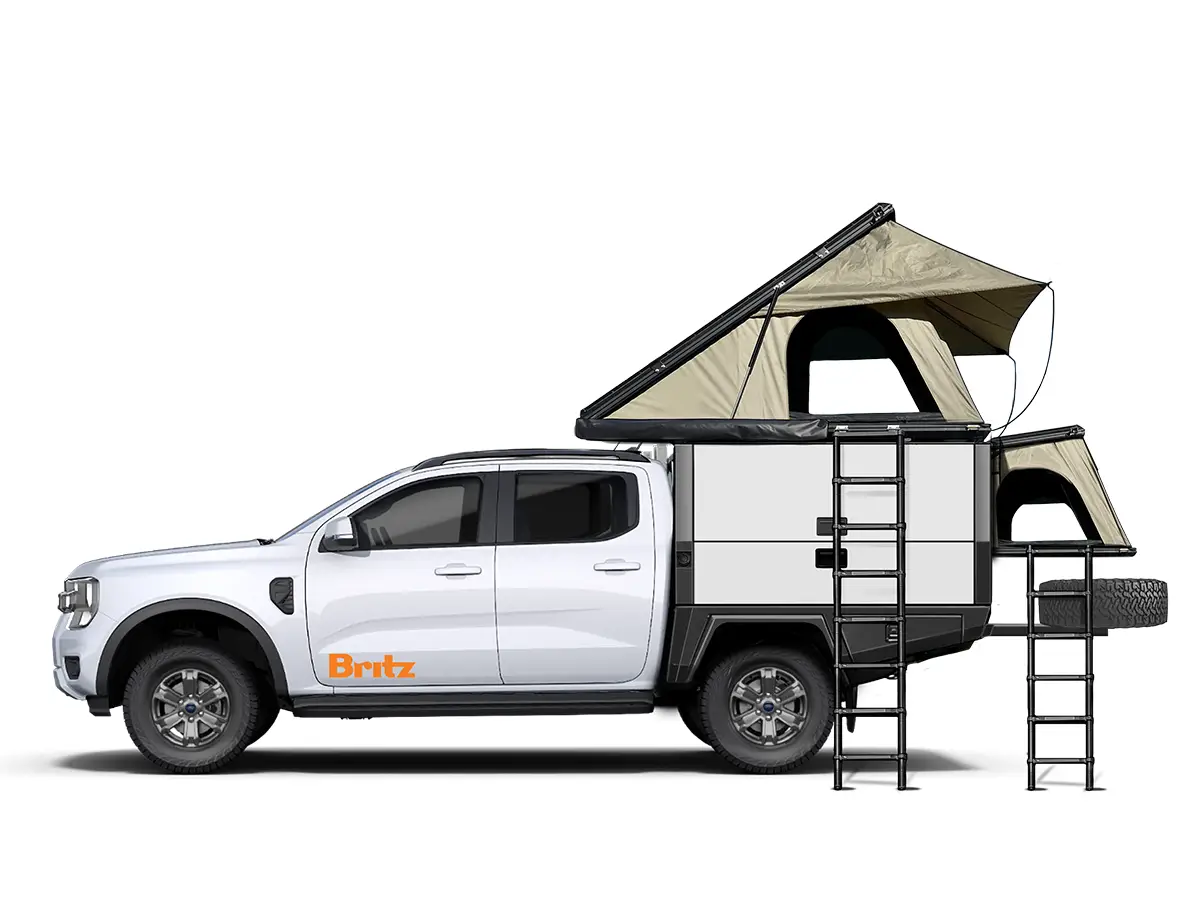
![[AU] HOT DEAL](https://aussie.sgp1.cdn.digitaloceanspaces.com/media/vehicles/Britz/Frontier/Frontier-Motorhome-Side-View.jpg)
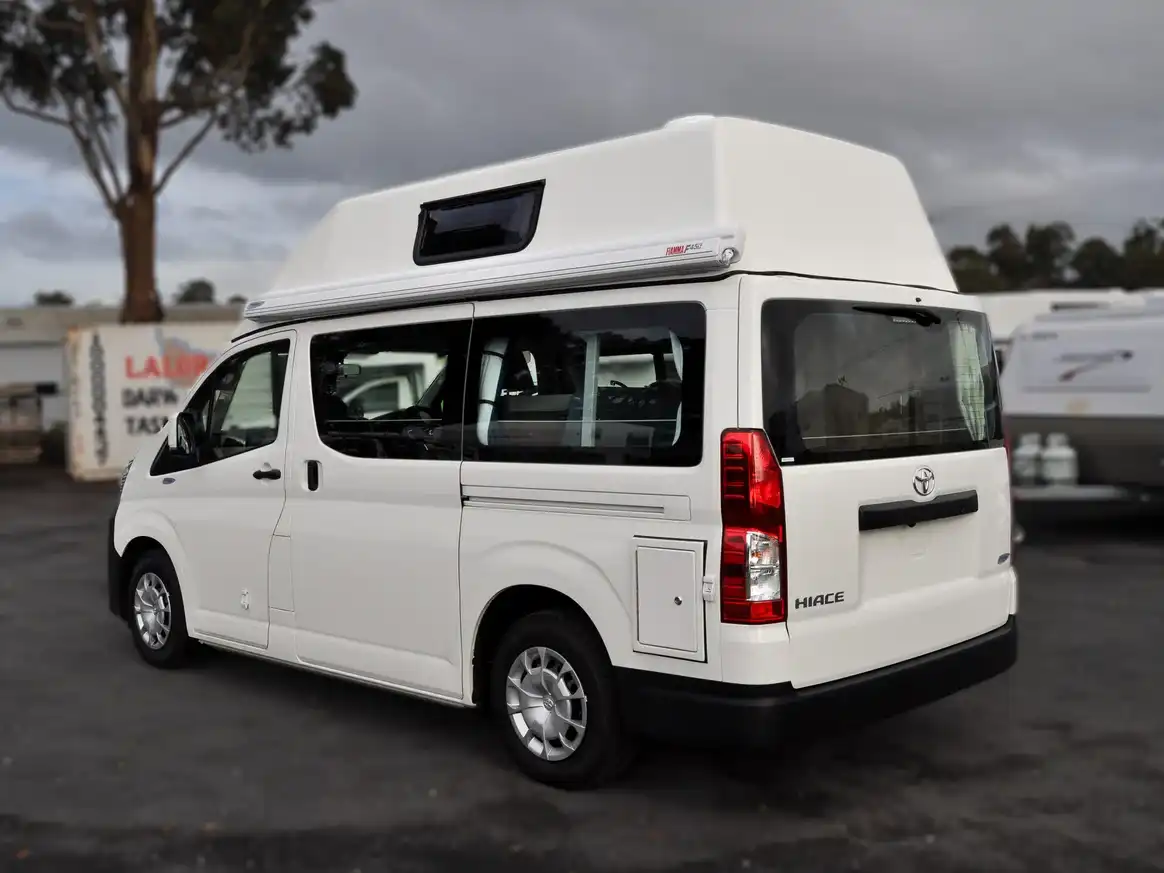


Pick Up From 01 May 2025

Drop Off By31 Dec 2025
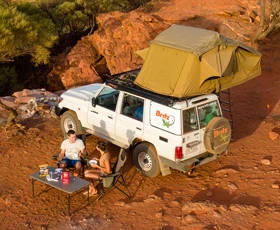
4WD Rental Australia


Recommendations for Motorhome Rental Australia
Find out which RV suits your holiday plans and needs based on your budget and travel buddies.
Hire Campervan and Motorhome in Australia
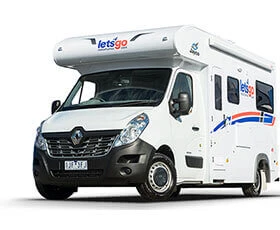
Families with Children (Economy)
View Details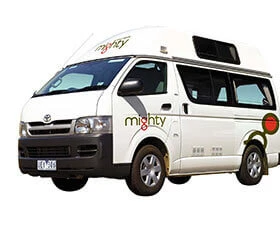
Families with Children (Mid Range)
View Details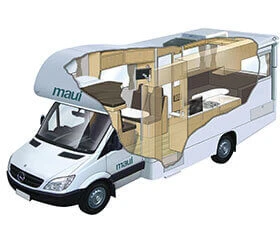
Group of Friends
View Details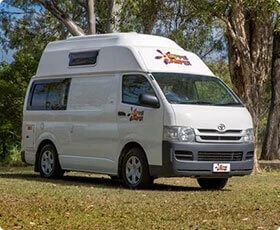
Backpackers (Budget)
View DetailsFrequently asked Questions
How much does it cost to hire a campervan in Australia?
Prices vary for different vehicle types and time of the year.
During the low seasons, prices start at the following:
A budget backpacker-style camper can start from $30.00/day
A motorhome with shower and toilet can start from $60.00/day
A 4WD camper can start from $90.00 per day/
Where can I get discounts to hire a campervan in Australia?
We have special offers from time to time. You can check out our discounts Here
Can I hire a campervan with a Foreign Driver’s License in Australia?
Yes, you can. If you driver’s license is not in English, it must be accompanied with an accredited English Translation or International Driver’s Permit.
*An International Driver’s Permit is compulsory in the Northern Territory.
Where can I hire a campervan in Australia?
What are the best times to hire a campervan in Australia?
To fully enjoy your road trip, it is wise to travel when the weather is not too cold and not too hot. These times are:
East Coast, South Australia & Tasmania – October to April
- Northern Territory – April to October
- Perth – All year long
Can I pick-up and return a campervan from different cities in Australia?
Yes, one-way rentals are welcomed. This is why we are one of the best motorhome rentals in Australia. It is very convenient to rent an RV.
Note: However, please note that one way fees and minimum hire days may apply.
How is the rental duration calculated for hiring a campervan in Australia?
Campervan hires in Australia are based on calendar days instead of a 24-hours cycle. This is due to time required for the upkeep works that needs to be done before the vehicle is ready for its next trip.
For example, 1st – 5th Apr is counted as a 5-day rental.
Can I hire a campervan to attend music festivals in Australia?
Yes, you can rent a campervan from us to attend music festivals such as Splendour in the Grass
Can I hire campervans with child safety seats in Australia?
Yes, most of our 3 – 6 berth models can accommodate child restrain seats.
You hare a choice between:
Baby capsule (rear facing) for infants: Age – Under 6 months old
Baby seats for toddlers: Weight - 8 to 18kg, Age - 6 months to 3 years
Booster seats for children: Weight - 14 to 26kg, Age - 4 to 7 years
If you wish to use your own child seats, please ensure that it complies with the Australian child restraint policies.